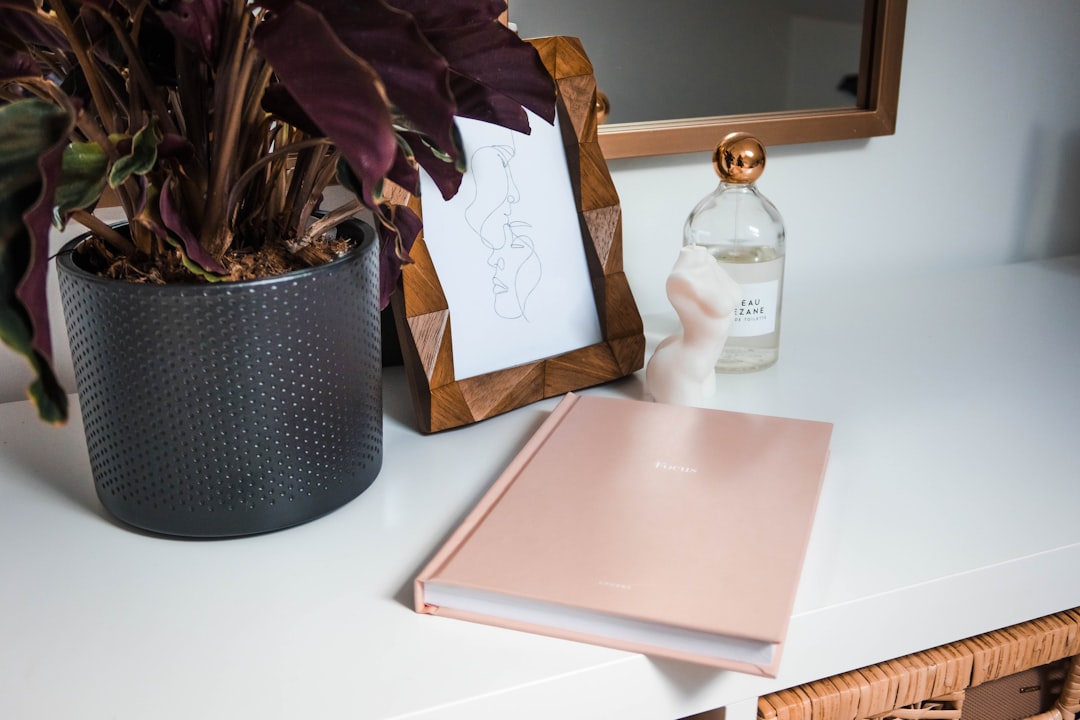
A Daily Beauty Routine Planner can keep your mornings calmer, your products easier to reach, and your bathroom shelf from turning into a jumble of half-used bottles. It is less about making beauty feel strict and more about giving each step a place in the day.
That shift matters because most people do not need more products. They need a simple way to decide what gets used, when it gets used, and what can wait until another day. The planner becomes a small system, not a chore chart.
If you want more lifestyle ideas and product-led planning content, you can also browse the BeautyHealthBuy homepage for related articles and inspiration.
Why a Daily Beauty Routine Planner works better than memory
Memory sounds convenient until the morning starts rushing. One day you remember the toner, the next day you skip it because the bottle is hidden behind three others. A planner gives your routine a visible structure, and visible structure is easier to follow when you are tired, distracted, or getting ready in a small bathroom with limited counter space.
The real value is not perfection. It is decision relief. When the steps are already written down, you spend less energy asking yourself what comes next. That leaves more attention for the parts that matter to you, whether that means a faster base look, a calmer evening clean-up, or a more organized shelf.
A planner also helps you notice what is actually getting used. Many beauty habits drift because the steps were copied from a video or borrowed from a friend, not because they fit real life. Once the routine is on paper, you can see which steps take too long, which products sit untouched, and where the plan needs to be trimmed. That makes the routine feel more honest. It also makes shopping feel more controlled, because you are buying for a system you can see rather than a wish list you might forget tomorrow.
There is another quiet benefit. A written plan makes your routine easier to repeat after travel, illness, deadlines, or a long week. You do not have to rebuild the whole thing from scratch. You just return to the page and pick up where you left off.
How to build a Daily Beauty Routine Planner that fits your real life
The best way to start a Daily Beauty Routine Planner is to ignore what looks impressive online and look at your own day. What time do you wake up? How many minutes do you actually have before work or school? Do you get ready in a rush, or do you enjoy a slower morning? Those answers shape the plan far more than trends do.
Begin with three simple columns or blocks. One for morning, one for evening, and one for weekly care. You do not need to list every product you own. You only need the steps that matter on a normal day. A short version may be enough for busy weekdays, while a longer version can live on the same page for weekends or low-pressure evenings.
Think in layers. The first layer is what happens every day. The second layer is what happens a few times a week. The third layer is what happens when you have extra time. This keeps the planner flexible instead of crowded. It also stops the common mistake of making a beautiful page that no one wants to use because it feels too detailed.
A good planner should answer four questions fast. What do I do in the morning? What do I do at night? What needs weekly attention? What can be skipped when time is short? Once those answers are clear, the rest becomes easier.
If you like templates, start with one page in a notebook, one note on your phone, or one simple spreadsheet. Do not spend a week designing the format before you have tested the routine. The format should earn its place by being used. Not by looking polished for one day and forgotten the next.
Morning blocks that take less than 10 minutes
Morning routines work best when they are short enough to survive a busy weekday. A planner can help by breaking the morning into quick blocks instead of a long list. Think in terms of order, not ambition. Cleanse, moisturize, protect, style, and go. The exact steps change from person to person, but the idea stays the same.
One useful trick is to write the fastest version of the routine first. If you only had five minutes, what would still make the day feel complete? That question trims out the extras and keeps the routine practical. For many people, the quick version might be a gentle face wash, a light moisturizer, a simple complexion step, lip balm, and hair pulled into place. For someone else, it may be just a refresh cloth, brows, and a face mist.
After the quick version is clear, add a longer version for slower mornings. This gives the planner a range. It no longer asks you to do the same thing every day. It gives you options based on time. A planner with options is much easier to keep using because it does not punish normal life.
It also helps to place your items in the same order as the routine. If the first step is always by the sink, the second on the shelf, and the third in a drawer, your environment starts doing part of the work for you. The page and the room support each other. That is where the routine feels smooth instead of staged.
A short morning block can be written like this:
- Cleanse or refresh
- Moisturize or hydrate
- Choose one complexion step
- Use lip color or balm
- Style hair in a simple way
That list is not flashy. It is useful. And useful routines are the ones people actually keep.
Evening blocks that help your shelf stay tidy
Evening planning matters because the end of the day is when clutter starts to show. Brushes stay on the counter. Caps go missing. Cotton pads pile up. A planner can turn the evening into a short reset instead of a vague hope that tomorrow will sort itself out.
Keep the evening block focused on closure. Remove makeup if you wear it. Clean the skin in the way that fits your own routine. Put tools back where they belong. Check whether any item needs refilling, washing, or replacing soon. The point is not to turn the night into a long task list. The point is to leave the space ready for the next morning.
I like evening plans that include a tiny cleanup cue. For example, one minute for the sink area, one minute for brushes, one minute for the drawer you use most. Small cleanup cues work because they feel manageable even after a tiring day. They also stop the build-up that makes a bathroom feel messy without anyone noticing the exact moment it happened.
It helps to write an evening version that is softer than the morning version. Some nights call for full care. Other nights call for the shortest possible path to bed. Your planner should make room for both. That way it supports the rhythm of your week instead of pretending every evening is the same.
A strong evening block often includes:
- Remove the day’s makeup if you used it
- Cleanse in the way that fits your skin care preferences
- Return tools to their spots
- Set out the next day’s key items
- Note anything running low
Once this block becomes visible on the page, the shelf feels less like a storage problem and more like a small workspace that can be reset with intention.
Choose products by role, not by hype
A planner becomes far more helpful when each product has a role. Without that, the list keeps growing. You buy something because it looked nice, because a friend mentioned it, or because a short video made it sound essential. Then the drawer fills up and the routine gets harder to follow.
Role-based planning changes the question. Instead of asking, “What should I own?” ask, “What job does this item do in my day?” That single shift can shrink a crowded routine into something readable. One product may be your fast morning base. Another may be your low-key weekend look. Another may be the one you use when you want your hair to look finished in two minutes.
Try sorting products into simple roles. You might have a core set, an optional set, and a special-use set. Core items are the ones you reach for most often. Optional items are the ones you like but do not need every day. Special-use items come out for events, travel, or a mood change. Writing those roles down makes the planner feel more strategic and less random.
This method also helps when you are deciding what to repurchase. If a product does not have a clear role, it is easy to let it disappear from the list when it runs out. If it does have a role, the planner gives you a cleaner reason to keep it. That does not mean you need fewer choices at all costs. It means your choices have to work inside the routine you actually live.
Here is a simple way to label your items:
- Core: used most days
- Optional: used when time allows
- Special: used for events or travel
- Backup: kept for quick swaps
When products are sorted by role, the planner starts acting like a map. You can see what matters at a glance, and that makes shopping, storage, and daily use much easier.
Make space for hair, makeup, and body care
A lot of beauty plans focus only on skin care, but real life does not split itself that neatly. Hair, makeup, and body care all share the same time and space. If the planner ignores those parts, the routine feels incomplete. If it tries to make room for every possible step, it starts to feel heavy. The answer is balance.
One practical method is to divide the planner into three lanes. Hair care can include washing, styling, detangling, or simply refreshing. Makeup can include full looks, light looks, and no-makeup days. Body care can include scent, lotion, nails, or the little extras that make you feel finished. Not every lane needs to be active every day. It only needs a place on the page so you can choose it with intention.
This is especially useful on weeks when time is limited. A planner that shows separate lanes makes it easier to simplify. Maybe the hair step becomes a bun instead of a long style. Maybe the makeup lane becomes brows and lip balm. Maybe body care gets shifted to the evening instead of the morning. The plan keeps breathing room in it.
There is also a mental benefit. When all beauty categories are visible, one part does not silently take over the others. A person can get caught in a cycle where makeup gets attention and everything else slips, or where hair care gets all the focus while the rest feels forgotten. The planner helps you rebalance those choices with less guesswork.
Try adding a small note beside each lane:
- Hair: quick, medium, or full
- Makeup: bare, light, or finished
- Body care: quick refresh or longer session
That simple note gives you freedom. The routine is still organized, but it is not locked into one version of beauty.
Compare paper, phone, and spreadsheet formats
There is no single best planner format. The right format is the one you are willing to open. Paper feels tangible and easy to customize. Phone notes feel quick and always nearby. Spreadsheets work well when you like columns, checkboxes, and a simple way to track patterns over time.
Paper is often the easiest place to start. A notebook page can hold your morning block, evening block, and weekly reset all in one glance. You can circle products, write reminders in the margin, and change the page without needing an app. The downside is that paper is easy to misplace. It also gets messy if you like to edit often.
Phone notes are great when your routine changes a lot. You can keep the planner near your shopping list, carry it in your pocket, and revise it the moment you notice a change. The tradeoff is that phone notes can hide under everything else on your screen. If the planner takes too many taps to reach, it stops being useful.
Spreadsheets are best for people who enjoy a little structure. You can track how often a product gets used, which steps take the longest, and which days you stick to the short version of the routine. That makes spreadsheets useful for comparison and planning. The tradeoff is that they can feel too serious if all you want is a simple daily guide.
If you are unsure where to begin, test each format for one week. Put the same routine into paper, phone, and spreadsheet versions. Then notice which one you actually open on a normal day. The winner is not the prettiest version. It is the one that stays present when you are tired, busy, or halfway out the door.
Here is a quick comparison at a glance.
- Paper: easy to see, easy to edit by hand
- Phone: fast to access, easy to carry
- Spreadsheet: useful for patterns and tracking

When the format matches your habits, the planner becomes part of the routine rather than another thing to manage.
Weekly reset habits that keep the plan useful
A Daily Beauty Routine Planner gets much better when it has a weekly reset. Without one, the page slowly drifts away from your real life. Products change. Priorities shift. The routine you wrote last month may still look neat even though it no longer fits the week you are living now.
The weekly reset does not need to be long. Ten or fifteen minutes is enough for many people. Look at what was used, what was ignored, what ran out, and what felt annoying. Then update the planner with a few careful edits. Remove one extra step if the mornings felt too crowded. Add one more step if something important kept slipping. Move items around if the order no longer makes sense.
I like to do the reset on a quiet day, often when the bathroom is already being cleaned or the laundry is running. That way the planner update becomes part of a larger refresh instead of a separate project. The goal is to make the system easy to maintain, not turn it into another self-improvement ritual that eats the afternoon.
Weekly resets also protect your budget. When you can see what is being used, you are less likely to buy duplicates or chase products that do the same job as something you already own. The planner becomes a gentle inventory check. It shows what needs to be used up, what needs to be replaced, and what can wait.
Try building your reset around four questions:
- What got used most?
- What got skipped?
- What felt too slow?
- What needs to change next week?
Those four questions keep the planner alive. They also keep it connected to the person using it, which is the only reason the system works in the first place.
How to adjust for travel, busy weeks, and low-energy days
A planner that works only on perfect days is not a useful planner. Real life includes travel, late nights, early meetings, and days when energy is low. The stronger version of a routine is the one that already has a plan for those moments.
Build a travel version with just the items you rely on most. Build a busy-week version with fewer steps and faster choices. Build a low-energy version that is so small it still feels possible when you are tired. The point is not to lower standards. The point is to make the routine resilient.
For travel, the planner can list the smallest possible set of items for each category. One cleanser, one moisturizer, one base product, one hair solution, one brush or tool kit. For a busy week, the planner might shift the routine to a shorter path and mark the extra steps for the weekend. For low-energy days, the plan might reduce the routine to the essentials that help you feel steady before bed or before leaving the house.
When you plan for these situations ahead of time, the routine loses some of its drama. You do not have to decide from scratch while packing a bag or staring at the mirror after a long day. The answer is already on the page. That keeps the process calmer and the decisions faster.
It is useful to mark these versions with simple labels. Some people use colors. Others use stars or small notes. The label matters less than the fact that the version exists. A flexible planner shows that beauty habits can adapt without falling apart.
Three useful labels are:
- Travel edit
- Busy week edit
- Low-energy edit
Those edits make your routine feel practical in the messy parts of the week, which is where most real use happens anyway.
A sample one-week planner you can copy
If the idea still feels abstract, it can help to see a sample week. This is not a rule. It is a starting point you can reshape. The goal is to show how a Daily Beauty Routine Planner can fit around work, errands, rest, and everything else that fills a week.
Monday can be a simple restart day. Keep the morning short, use the core products, and leave the evening for a full reset. Tuesday may use the same base routine with one extra step if time allows. Wednesday can be the day to check supplies and note anything that is running low. Thursday might be a low-effort day with a lighter makeup choice or a faster hair plan. Friday can be a finish line day, so the routine feels polished without taking over the evening. Saturday can hold the longer version of the routine. Sunday can be the weekly reset.
A simple planner page might look like this:
- Monday, core morning and tidy evening
- Tuesday, light makeup and quick cleanup
- Wednesday, inventory check
- Thursday, low-energy version
- Friday, polished finish
- Saturday, longer care session
- Sunday, reset and planning
What makes this useful is not the exact days. It is the rhythm. Some days carry more structure, some carry less. The planner gives each day a role so the week does not blur into one long repeat of the same choices.
When you write your own week, start with the days that matter most to your schedule. A person who works early will build differently from someone who works late. A parent will need a different rhythm from a student or someone who works from home. The sample is only a scaffold. Your version should reflect the week you actually live.
Mistakes that make beauty planning feel heavy
The biggest mistake is trying to make the planner look complete before it is useful. That often leads to too many steps, too many products, and too much pressure to follow a routine that no real morning can support. A beauty plan should help you begin, not make you feel behind before the day starts.
Another common mistake is copying a routine from someone else without checking whether the timing fits. A page can look elegant and still fail in practice if it needs forty minutes and your real schedule allows twelve. When that happens, people blame themselves instead of the format. The better move is to make the plan smaller until it fits the time you have.
Some planners also fail because they ignore the spaces between steps. They list products but not order. They list order but not storage. They list storage but not cleanup. The result is a plan that looks neat on paper and awkward in the room. Good planning connects the page to the shelf, the drawer, the mirror, and the calendar.
There is also a subtle trap in making the planner too rigid. A routine that does not leave room for a tired day, a travel day, or a late night can create guilt very quickly. Once that happens, the planner starts to feel like a reminder of what was missed. A better planner leaves space for choice and change.
Keep an eye out for these warning signs:
- The page is more detailed than your actual mornings
- Too many products have no clear role
- The routine has no short version
- The weekly reset is missing
- The plan does not match the room
When those issues show up, simplify. Cut one step. Remove one product. Rewrite one block. The planner should feel like a helpful desk companion, not a second job.
A strong Daily Beauty Routine Planner does one thing well. It makes the next choice easier. That is enough. In a busy life, ease is not a small benefit. It is the reason the routine survives long enough to matter.