This article contains affiliate links. We may earn a commission if you buy through them.
You’ve curated a tight set of wedding highlights and a longer stream of everyday images. The question isn’t whether to print, but which format does your story justice—MILK Books photo albums built for seamless, full‑bleed spreads or stitched photo books made for longer sequences and captions. That choice changes how your pages lie, how many you can include, and the feel of the finished keepsake.
Here’s how to decide between MILK Books photo albums and their stitched photo books, and how the brand’s Extra Large option can elevate images that deserve more scale.
Choosing MILK Books photo albums vs photo books
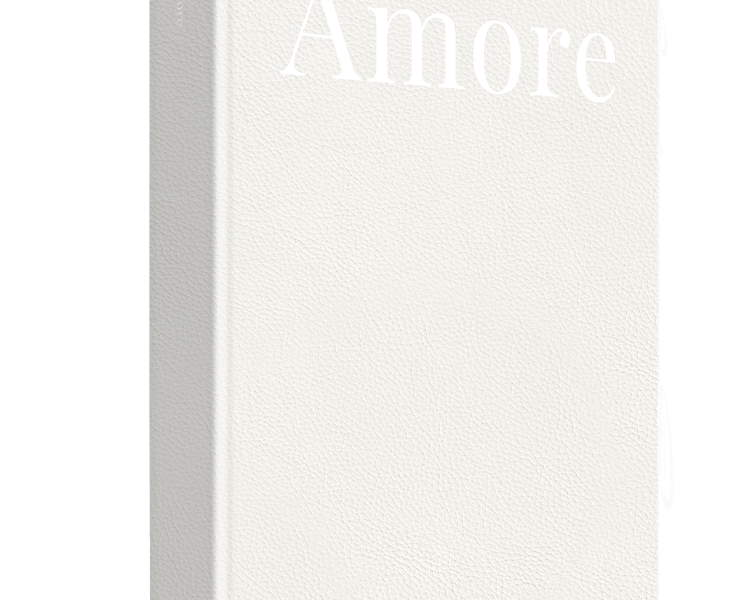
The core distinction is page construction and binding. In MILK Books albums, photographs are mounted to thick, inflexible boards; spreads open dead flat, so typography and panoramas can cross the center without distortion. Albums open perfectly flat, prioritizing impact per spread. Photo books use flexible paper and stitched or PUR bindings, so pages lie near flat or bow slightly depending on the style. This makes them easier to handle at length and better suited to narratives with more chapters.
Page range is the second lever. Albums run 24–80 pages, a deliberate limit tied to the weight and thickness of board pages. Photo books span 24–300 pages, particularly in stitched Premium formats. That’s decisive if you need room for multiple trips, family years, or text‑heavy sections. Books can reach 300 pages, but their spreads won’t be as perfectly flat as flush‑mounted boards.
Put simply: choose an album when your milestone relies on uninterrupted two‑page scenes and tactile presence; choose a book when your story needs breadth, sequencing and lighter handling over time.
Why MILK Books for your big moments
Before diving into specs, it helps to know why many readers choose MILK Books for weddings, anniversaries and family histories. The brand emphasizes premium materials and traditional bookmaking, pairing precise binding with vibrant, archival printing so your keepsake feels substantial and considered. Premium materials, traditional craft define the offering, not novelty gimmicks.
MILK grew out of M.I.L.K. (Moments of Inspiration, Love and Kinship) and an acclaimed history in photographic publishing. That background informs proportions, paper choices and durability—the aim is a memento you can share now and revisit decades from now. Enduring quality is the aim, which is why the differences in binding and page construction matter as practical decisions, not just marketing terms.
The tradeoff is clear: higher‑end materials and craft cost more than commodity prints. If budget is tight, match the format to the occasion that matters most, then build the rest of your story in a lighter book or magazine later.
Sizes and the XL Collection explained
Size sets the mood. Rather than offering industry‑standard small albums, MILK Books uses publishing‑grade proportions in portrait, landscape and square formats from medium to large, plus Extra Large in portrait. That means you choose scale based on your actual images—wide landscapes, vertical portraits, or balanced series—rather than forcing them into a tiny size that compresses detail.
The XL Collection raises the stakes. Extra Large Premium Photo Albums, Photo Books and Magazines are 12.1 x 16.2 inches in Portrait. Albums in XL retain the same flush‑mount boards and lay‑flat opening, with 24–80 pages; XL Photo Books are section‑sewn, with pages that lie near flat, and can reach up to 300 pages. Papers in the range are archival and selected to reproduce photographs with depth and clarity, and 6‑color printing brings tone and texture forward.
There are real tradeoffs. XL maximizes immersion and display presence but adds weight and, in albums, a shorter page range compared to stitched books. It’s also orientation‑specific: Extra Large is Portrait-only for albums, per MILK’s specification. If your most important images are vertical—ceremony processional, full‑length portrait, architectural details—XL Portrait can be the decisive upgrade. If your story spans hundreds of frames, a large stitched book may balance scale with capacity. In all cases, Choose size by your images, not by a generic idea of “big.”
A worked example: wedding album vs travel book
Imagine two projects. First, a wedding sequence where the first look, vows and portraits deserve full‑bleed continuity across the gutter. A lay‑flat, flush‑mounted album lets you design uninterrupted two‑page scenes—the dress flows, the aisle stays straight, and typography can sit across the center without bowing. Choose lay-flat for full-bleed spreads when the moment’s impact relies on clean, seamless panoramas.
Second, a multi‑country travel narrative with maps, captions and dozens of chapters. Here, stitched Premium Photo Books excel. Near‑flat pages make reading comfortable, the binding handles longer arcs without stress, and you can extend up to 300 pages to fit sequences and text. Books suit long travel narratives where breadth and pacing matter as much as any single spread.
If you have vertical images that demand scale—cathedral interiors, full‑length portraits—consider XL Portrait. The added size turns details into a viewing experience. The tradeoff is practical: XL takes more room on a table and a bit more care in handling and storage. Balance that presence against how often you’ll page through it and where it will live at home.
Materials, binding and print quality in use
Materials and printing decisions change how your images look and how the book wears. MILK Books digitally prints using liquid inks on archival paper, so color binds to the sheet rather than sitting on top. This supports richer tone and smoother gradations in skies, skin and shadows. Archival papers support vivid color, which is visible in muted palettes and high‑contrast frames alike.
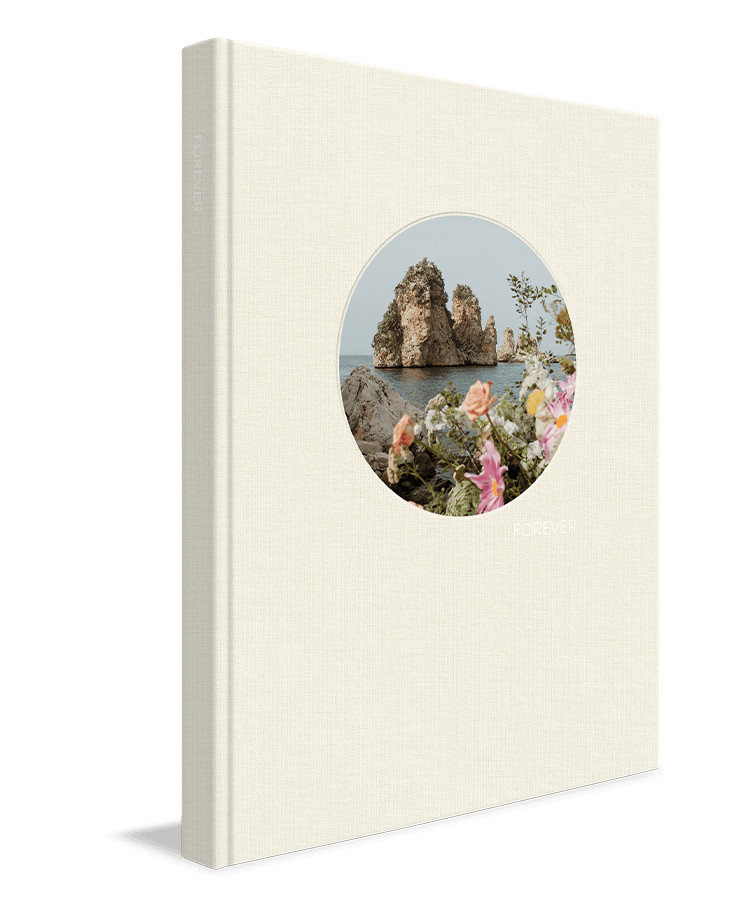
Binding determines page behavior. Flush‑mounted albums open perfectly flat, making the gutter essentially disappear. Section‑sewn Premium Photo Books lie near flat, which is comfortable for reading and better for longer sequences. Classic and Softcover books use PUR binding; pages bow from the center, suiting lighter everyday projects. In practice, Binding affects page behavior—how spreads present, how captions sit across folds, and how the spine relaxes with use. The contrast comes from construction: flush‑mounted boards remove the gutter’s tension entirely, while stitched signatures flex at the fold so long sequences remain readable.
As you compare, think in practical terms: do you need a perfectly flat canvas for a panoramic ceremony image, or the flexibility to pack 200+ frames with notes and maps? The right choice is the one that aligns with how you expect to view and share the book over time. Albums’ rigid board pages cap counts at 24–80, while flexible paper in photo books supports 24–300 pages but introduces a visible center fold in full‑bleed panoramas.
Creating and ordering with MILK Books
Starting is straightforward. Upload images and design in the MILK Design Studio on desktop or mobile—templates and a smart Autofill can get you to a working layout quickly. If you prefer Mac, you can build directly inside the Photos app using the MILK Books project extension. Design on desktop, mobile or Mac, and switch devices as your schedule allows.
The site supports multiple languages and local currencies (including the US), so you can shop in a familiar context as you finalize details. Production timelines depend on format: albums and photo books typically take 14–21 days to make; magazines are faster at 7–12 days. Expect production time, not instant prints. Plan backward from your event date or gifting moment, and add shipping time on top.
A practical tip: begin with a draft, test a few spreads and paper options, and only then commit. The process is designed to help you refine rather than rush.
Care and storage for long-lasting keepsakes
Once your project arrives, a few habits will preserve its condition. Store albums, books and magazines away from direct sunlight and moisture—ideally in a Presentation Box—or in a ventilated space with humidity at or below 60%. Keep covers and pages from being folded back; that stresses the spine and can cause detachment or visible creases.
Albums deserve special handling because of their board page weight. Store albums flat, not upright, to avoid binding stress. When viewing, rest the back cover on a clean surface to support the spine and never suspend the book or album by its cover. Avoid sunlight and humidity and keep creations out of reach of pets and very young children.
A little care goes a long way; these are keepsakes meant to be revisited, not babied. Thoughtful storage and viewing support their longevity.
Is MILK Books right for you? Objections resolved
Two common hesitations come up. First, page limits: albums cap at 24–80 because boards are thick and heavy. That constraint isn’t arbitrary; it’s a design choice to keep the spine and viewing experience balanced. Boards limit pages, enhance impact. If your story needs more breadth, a stitched Premium Photo Book can run up to 300 pages.
Second, size expectations: standard small album sizes aren’t part of the range. Instead, MILK Books offers medium to XL formats informed by publishing proportions to suit photography. XL Albums are Portrait‑only, which narrows orientation but maximizes impact where vertical images lead. Standard sizes differ by design, and that’s intentional—the goal is presentation quality, not smallest‑possible footprint.
If you’re still unsure, start a working layout and check whether your most important images want uninterrupted spreads or a longer, chaptered narrative. The right format usually reveals itself on the page.
Next step: explore MILK Books and start creating
With a format and size in mind, visit MILK Books to explore Premium Photo Albums, Premium Photo Books and the XL Collection, then begin a draft in the Design Studio. Look for the XL Collection if your images demand scale, and confirm the paper type and binding—as MILK defines them—suits how you’ll view and share the story. If you’re undecided on size, start small: build a few spreads and test full‑bleed vs near‑flat layouts before you commit. Start in the Design Studio, and proceed once the viewing experience feels right for your milestone.