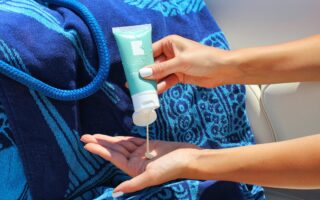
The best moisturizer for red face is a fragrance-free, non‑comedogenic formula that reinforces your skin barrier and visibly calms irritation; look for ceramides, niacinamide, hyaluronic acid or glycerin, squalane, and soothing botanicals like colloidal oatmeal, aloe, centella, or green tea.
Pick a lightweight gel for oily or combination skin, a mid‑weight lotion for normal or combo, and a richer cream or balm for dry, easily irritated skin; for daytime, choose a mineral SPF 30+ or a green‑tinted moisturizer to visually neutralize redness, apply to damp skin after a gentle cleanse, and expect quick relief within minutes with steadier improvement from consistent use.

Best Moisturizer for Red Face: Quick Picks, How to Choose, and Who It’s For
When your face flushes from wind, hot water, a strong exfoliant, or chronic sensitivity, the right moisturizer can make a noticeable difference. Here’s the short version so you can choose fast without second‑guessing:
- Oily/combination: Choose a light gel or gel‑cream with niacinamide + hyaluronic acid/glycerin, labeled non‑comedogenic. Finish should be soft‑matte or natural.
- Normal/combination: Reach for a mid‑weight lotion with ceramides + glycerin or squalane. A flexible finish that layers under SPF and makeup works best.
- Dry/sensitive: Go for a richer cream or balm with ceramides + colloidal oatmeal and/or squalane; dewy finish is fine if it comforts the skin.
- Daytime: Use a mineral SPF 30+ moisturizer (zinc oxide and/or titanium dioxide) to shield sensitivity; a green‑tinted option can visually balance redness.
- After exfoliation or shaving: Favor simple formulas with aloe, centella, or panthenol; skip multiple actives on the same day.
Budget tiers (typical ranges): Budget (roughly <$7/oz), Mid (about $7–$18/oz), Premium (about $18+/oz). Use tiers to set expectations; check brand sites or retailers for current prices and sizes.
Who it’s not for: If you’re extremely acne‑prone, avoid very heavy occlusive balms during the day. If you have known allergies to oats or botanicals like propolis, avoid products with those ingredients. When redness burns or persists, reduce variables and consider professional guidance—this guide focuses on daily care, not medical care.
Timeline expectations: Moisturizers with humectants and soothers can ease tightness and visible flush within minutes. Barrier‑support ingredients like ceramides and niacinamide may take 2–4 weeks of consistent use to show steadier balance. If a product stings or redness escalates, pause, rinse, and patch test before trying again or choose another option.
Why Faces Turn Red (and How Moisturizer Actually Helps)
Redness is common. Weather swings, long hot showers, strong exfoliants, fragranced products, shaving, and certain actives can all leave skin feeling hot and flushed. Sometimes it’s just a temporary response to heat or friction; sometimes it’s a pattern of sensitivity that shows up as blotchiness, tingling, or tightness. When redness is persistent or worsening, ask a qualified professional for advice—the guidance here stays within everyday moisturizers and routines.
Moisturizer helps because it supports the skin barrier, the outer layer that keeps water in and irritants out. Most good moisturizers balance three roles:
- Humectants (like hyaluronic acid and glycerin) pull water into the top layers so skin feels plumper and less tight.
- Emollients (like squalane and triglycerides) smooth tiny fissures so light reflects evenly, reducing the look of blotchiness.
- Occlusives (like petrolatum at low levels or fatty alcohol blends) help seal moisture, especially useful in dry air or wind.
When these three are balanced—and the formula is fragrance-free and simple enough for sensitive skin—redness often appears calmer because the barrier is better hydrated and less aggravated by everyday triggers.
Ingredients That Calm Redness—and What to Avoid
Look for these calming allies:
- Ceramides (often with cholesterol and fatty acids): the lipids your skin naturally uses to fortify its barrier.
- Niacinamide (low percentages, commonly 2–5%): supports an even look and helps with barrier function, often well‑tolerated in sensitive routines.
- Hyaluronic acid or glycerin: versatile humectants that draw water into the outer layers.
- Squalane: a lightweight emollient that mimics skin’s own lipids.
- Colloidal oatmeal: known for comfort and softness; many people find it soothing on visibly irritated skin.
- Aloe and centella asiatica: plant‑based soothers that many formulas use for a calming feel.
- Panthenol and green tea: common in “sensitive skin” formulas to support a calmer appearance.
Introduce carefully—or skip entirely—if you’re redness‑prone:
- Added fragrance (parfum) and essential oils: frequent culprits for stinging and flushing.
- Alcohol denat in high amounts: can feel drying and prickly on sensitive cheeks.
- Menthol, peppermint, eucalyptus, and strong astringents like witch hazel: refreshing for some, but often too stimulating for redness‑prone faces.
- Harsh scrubs and stacks of strong acids/retinoids at once: too many new actives in one week can push a sensitive barrier over the edge.
Daytime specifics: Mineral filters (zinc oxide and/or titanium dioxide) are often gentler on easily flushed skin. A green‑tinted moisturizer can visually neutralize pinkness so you can use less makeup. For a low‑fuss morning, a moisturizer that also provides SPF 30+ is a smart pick, but if you need more robust protection, layer a dedicated sensitive‑skin sunscreen over your moisturizer.
Best Moisturizer for Red Face by Skin Type and Budget
Use this as a practical map. If your climate or trigger is unusual (say, cold wind or humid heat), adapt accordingly.
- Oily/combination: Opt for a light gel or gel‑cream with niacinamide + HA/glycerin. Look for “non‑comedogenic” and a soft‑matte finish. If you need daytime coverage, a green‑tinted gel can even out tone without heaviness.
- Dry/sensitive: Choose a rich cream with ceramides + colloidal oatmeal and/or squalane. In cold, dry air, a thin layer of balm at night can help seal in hydration.
- Normal/combination: A mid‑weight lotion with ceramides + glycerin is flexible enough for day and night. Add a drop of squalane in winter if cheeks feel tight.
- Daytime SPF picks: Mineral SPF 30+ moisturizers serve double duty. If you wear makeup, test for no pilling with your primer or foundation.
Price expectations by tier: Budget (<$7/oz): simple, fragrance‑free formulas that do the basics well. Mid ($7–$18/oz): more refined textures and added soothers. Premium ($18+/oz): often elegant finishes, tint options, and a broader soothing complex. Use tiers to plan spend; check brand sites for current pricing.
| Product | Skin type | Key soothing actives | Texture/finish | Day/Night | SPF/Tinted | Fragrance-free | Non-comedogenic | Price per oz (USD) | Best for triggers |
|---|---|---|---|---|---|---|---|---|---|
| Lightweight gel for redness | Oily/combination | Niacinamide, HA/glycerin | Gel; soft‑matte | AM/PM | No SPF; optional green tint | Y | Y | Budget (~<$7) to Mid (~$7–$18) | Post‑workout flush; humid climate |
| Mid‑weight barrier lotion | Normal/combination | Ceramides, glycerin, squalane | Lotion; natural finish | AM/PM | No | Y | Y | Budget to Mid | Daily redness; office AC |
| Rich ceramide cream with oats | Dry/sensitive | Ceramides, colloidal oatmeal, squalane | Cream; dewy | PM (or AM in dry air) | No | Y | Y | Mid to Premium | Wind/cold; post‑exfoliation |
| Mineral SPF moisturizer | All types | Zinc oxide/titanium dioxide, niacinamide | Lotion; natural | AM | Y; SPF 30+ | Y | Often Y | Mid to Premium | Daytime flushing; sun exposure |
| Green‑tinted redness cream | All types (esp. combo) | Centella, panthenol | Lotion; color‑correcting | AM | Tinted (green) | Often Y | Often Y | Mid to Premium | Quick tone neutralization |
Note: These categories summarize common product types and features. For exact claims, ingredients, and pricing, consult the brand’s own site or retailer page.
Simple AM/PM Routines That Reduce Redness
Morning
- Cleanse gently: Use a mild, fragrance‑free cleanser and lukewarm water.
- Moisturize on damp skin: Apply a gel/lotion/cream matched to your skin type; press in, don’t rub aggressively.
- Protect: Use a mineral SPF 30+ moisturizer or layer a dedicated sensitive‑skin sunscreen over your moisturizer. If you need a sunscreen short‑list, see our guides to the best sunscreen for sensitive skin and mineral sunscreens.
Evening
- Cleanse: Gentle cleanser, lukewarm water.
- Moisturize: Choose a calming lotion or a richer cream if you’re dry/sensitive. If your winters are harsh, this winter‑focused guide may help: best moisturizer for dry face in winter.
- Using actives? Rotate carefully. Space out strong exfoliants. If your face looks pink or feels warm, keep the routine minimal that night.
Makeup compatibility: Gels and light lotions tend to sit well under makeup. If your base pills, try applying less moisturizer, give it 3–5 minutes to set, and switch to a mineral sunscreen or a green‑tinted moisturizer that doubles as a primer.
If your skin is highly reactive, you may also find this sensitive‑skin buyer’s guide useful: best face moisturizer for sensitive skin.
Quick Fixes for Flare‑Ups—and Common Mistakes to Avoid
Quick relief: Apply a cool (not icy) compress for a few minutes. Pat dry, then smooth on a fragrance‑free gel or cream with hyaluronic acid and aloe or centella. For instant tone balancing, use a green‑tinted moisturizer or a light layer of green color‑correcting primer. Finish with mineral SPF if it’s daytime.
Climate tweaks: In humid heat, lighter gels and gel‑creams are usually enough. In cold, dry weather, a richer cream plus a thin top layer of a simple balm at night can keep moisture from escaping. If indoor heating or office AC makes cheeks pink, keep a small, fragrance‑free lotion at your desk for mid‑day touch‑ups.
Common mistakes:
- Over‑exfoliating or stacking multiple new actives at once
- Hot showers and face steaming that drive redness
- Fragranced oils or mentholated balms that feel “cooling” but cause flushing
- Skipping SPF on overcast days
Quick Selector Checklist
- Identify your skin type: oily, combination, normal, dry/sensitive
- Identify your redness trigger: heat, wind, exfoliation, post‑shave, chronic sensitivity
- Pick a texture: gel (oily), lotion (normal/combination), cream/balm (dry/sensitive)
- Choose 2–3 key actives: ceramides, niacinamide (low %), HA/glycerin, squalane, colloidal oatmeal, aloe/centella, green tea
- For daytime, prefer mineral SPF 30+ or a green‑tinted moisturizer
- Set a budget by tier and check price/oz on the brand page
- Patch test new products on the jawline or behind the ear for a few days
- Keep it minimal for 2–4 weeks before switching
FAQs: Moisturizers and Facial Redness
Does moisturizer help reduce redness?
Often, yes. When redness is driven by dryness or a stressed barrier, a fragrance‑free moisturizer that blends humectants, emollients, and light occlusives can make skin feel more comfortable and look less flushed. Ingredients such as ceramides and niacinamide are commonly used to support an even appearance over time, while aloe, centella, and colloidal oatmeal can provide a soothing feel quickly.
What creams should not be used for redness‑prone or rosacea‑prone skin?
Avoid fragranced creams and those with menthol, peppermint, eucalyptus, or heavy astringents. Proceed carefully with high concentrations of exfoliating acids or strong retinoids, especially when introducing them. If you choose to use such actives, keep them separate from the days your skin looks flushed, and build tolerance slowly with patch testing.
How do I reduce redness on my face quickly?
Use a cool compress for a few minutes, then apply a fragrance‑free gel or cream with HA and aloe or centella. For daylight hours, a green‑tinted moisturizer can visually neutralize redness, and a mineral SPF 30+ helps limit further flushing from sun exposure. Keep water lukewarm and avoid vigorous rubbing.
What disease is rosacea linked to?
Associations and medical questions about rosacea are outside the scope of this buyer’s guide. For personalized information, consult a qualified clinician or trusted medical resources. If redness is persistent, worsening, or accompanied by burning or swelling, seek professional guidance.
When you keep your routine simple, focus on barrier‑friendly ingredients, and be consistent with SPF, most redness‑prone skin looks steadier week by week.